


Key takeaways
- Private car sale costs extend beyond listing fees.
- Cleaning, repairs and certificates may reduce your return.
- Enquiries, inspections and negotiations require time.
- Registration and insurance continue while you wait.
- A car-buying service can remove several selling tasks.
How much does it cost to sell a car privately?
The cost of selling a car privately depends on how you advertise it, its condition, where it is registered and how quickly you find a buyer. Even with a free listing, preparation, repairs, certificates and ongoing running costs can reduce the amount you keep.
There is no single total for every seller. A clean, roadworthy vehicle that sells quickly may need little extra spending. A car that needs repairs or remains listed for months could cost much more to sell.
Before advertising, create a simple budget that covers:
- Listing and promotional fees
- Cleaning and detailing
- Repairs and maintenance
- Roadworthy or safety certificates
- Vehicle history checks
- Registration and insurance
- Your time managing the sale
You can then compare those costs with the convenience of using a specialist service to sell your car.
See what your car could be worth first
Before paying to advertise or prepare your vehicle, request a competitive quote from 1800 Car Buyers. You can then compare a direct offer with the likely cost and effort of selling privately.
Advertising and listing costs
Advertising may be your first expense when selling a car privately. Some online marketplaces offer free listings, while others charge an upfront fee or offer paid upgrades to improve the listing’s visibility.
Costs vary by platform, vehicle value, package and advertising period. A paid listing can put your car in front of more potential buyers, but greater exposure does not guarantee a faster sale or your preferred price.
Using several platforms may generate more enquiries, but it can also increase your total advertising costs and the time required to manage messages.
Free vs paid car listings
A free listing may suit an in-demand vehicle priced competitively. However, your advertisement can drop in the results as other sellers list newer cars.
Paid packages may include more photos, longer advertising periods, priority placement or promotional features. Review what the fee includes and whether renewal or upgrade charges apply before choosing a package.
| Consideration | Free car listing | Paid car listing |
|---|---|---|
| Upfront cost | Usually no listing fee | Package or promotional fee |
| Visibility | Standard placement | May receive priority placement |
| Included features | Often limited | May include added photos or reports |
| Listing period | May be restricted | Longer periods may be available |
| Sale guarantee | No | No |
| Best suited to | Popular, competitively priced cars | Sellers seeking greater exposure |
Is it worth paying to promote your car listing?
Paid promotion may be worthwhile when your listing receives little attention or similar vehicles are competing for buyers. Before upgrading, check whether the issue is visibility or something else.
Your price, photos, description, location and vehicle condition can all affect buyer interest. Review these factors before paying for more exposure. If the car remains unsold, repeated upgrades can gradually reduce the return from your private sale.
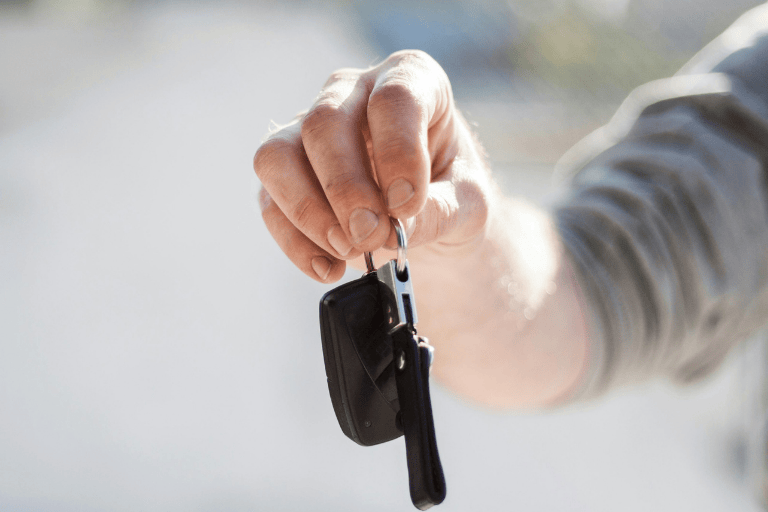
Cleaning and preparation costs
A well-presented car can make a stronger first impression in photographs and during inspections. Preparation may involve washing, vacuuming, detailing, replacing worn items or addressing visible damage.
Not every car needs professional detailing or cosmetic repairs. Focus on work that improves presentation, supports roadworthiness or gives buyers greater confidence. Expensive upgrades may not add the same amount to the final selling price.
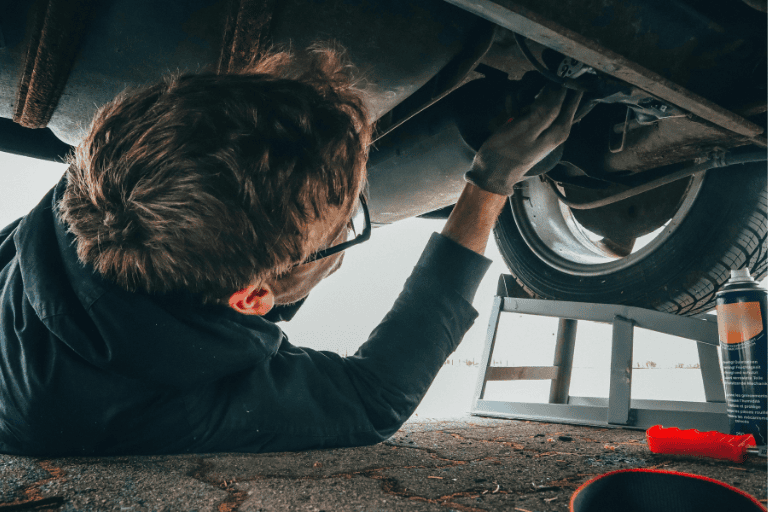

Car detailing and cleaning
Cleaning the interior and exterior yourself can help keep costs down, though you may still need supplies and equipment. Professional detailing can save time and may achieve a more polished result, but the price varies depending on the vehicle’s size, condition, and selected services.
Consider whether basic cleaning is sufficient for your car's age and value. A family hatchback may not need the same level of preparation as a prestige vehicle.
Repairs and maintenance before selling
Worn tyres, broken lights, damaged wipers, dashboard warnings and overdue servicing may concern potential buyers. Some faults may also prevent the vehicle from passing a required roadworthy or safety inspection.
Request repair estimates before approving the work. Compare the likely cost with any realistic improvement in the selling price. Keep invoices for completed maintenance because buyers may ask what was repaired and when.
Roadworthy and safety certificate costs
Roadworthy requirements vary across Australia, so a certificate is not required for every private sale. Your obligations depend on where the vehicle is registered, whether it is registered or unregistered and who is buying it.
For example, Victorian private sellers generally need to provide a Certificate of Roadworthiness issued within 30 days when selling a registered vehicle. In Queensland, a current safety certificate is generally required before a registered vehicle is transferred to a private buyer. Different rules and exemptions may apply when selling to a licensed dealer.
Check the current requirements with your state or territory registration authority before advertising or transferring the car. Inspection fees can change, and any repairs required to pass are an additional expense.
What happens if your car fails a roadworthy inspection?
The inspector will identify items that do not meet the applicable safety standards. These could include problems with tyres, brakes, steering, suspension, lights, windscreens or structural condition.
You may need to repair the faults and return the vehicle for another inspection within the permitted timeframe. If that period expires, a new inspection and fee may apply.
A roadworthy certificate only confirms that the car meets minimum safety standards at the time of inspection. It is not a full mechanical inspection or guarantee of the vehicle’s future reliability.
Vehicle history and PPSR costs
A private seller does not generally have to purchase a PPSR report. However, obtaining one can help you identify a registered security interest that a potential buyer may discover.
An official online PPSR vehicle search costs $2 and uses the car’s VIN or chassis number. It can show registered security interests and may include written-off and stolen status information. It does not show the amount of finance owing, ownership history, odometer readings or outstanding fines.
Buyers are usually advised to conduct their own search close to the purchase date. If your report shows finance that has already been paid, contact the finance provider before listing the vehicle.
You may also choose to obtain a separate vehicle history report. Prices and included information vary, so check what the report covers before paying.
The cost of your time
The hours spent selling a car privately do not appear on an invoice, but they still have value. Writing the advertisement is only the beginning. You may also need to answer questions, screen buyers, organise inspections and negotiate the price.
How much time the process requires depends on the buyer's interest and how quickly the car sells. Unclear listings and unrealistic asking prices can lead to more enquiries without producing a serious offer.
Creating and managing your car listing
A useful listing needs accurate vehicle details, clear photographs and an honest description of its condition. You may also need to research similar vehicles before setting the asking price.
Once published, monitor messages and keep the information up to date. If you advertise on several selling platforms, update or remove every listing once the car sells.
Enquiries, inspections and test drives
Not every enquiry will come from a serious buyer. You may spend time answering repeated questions, arranging appointments and dealing with cancellations.
For inspections and test drives, choose a safe meeting location, confirm the buyer’s identity and licence, and check your insurance conditions. Do not allow an unknown person to take the car without being accompanied.
Negotiating with potential buyers
Private buyers may make offers below the asking price or raise concerns after inspecting the car. Decide on the lowest amount you are willing to accept before negotiations begin.
Keep communication factual and avoid hiding known faults. Written records of the agreed price, inclusions, payment method and handover date can help prevent misunderstandings.
The cost of waiting for your car to sell
A car does not stop costing money when you list it. Until the sale is completed, you may continue paying registration, insurance, finance, maintenance and storage expenses.
These holding costs matter when comparing a private asking price with a direct offer. A higher advertised price may not produce a better overall result if it takes months to secure a buyer.
Registration, insurance and ongoing running costs
Registration and insurance remain necessary if you continue to drive the car or offer test drives. If the car is under finance, repayments and interest will also continue until the loan is settled.
Fuel, washing, maintenance and parking may add further costs. Keep your insurance active until ownership and possession have been transferred correctly.
Depreciation while your car is on the market
The market value of a car can change while it is listed. Additional kilometres, new model releases, changing buyer demand, and further wear may affect the price buyers are prepared to pay.
Depreciation will not always be noticeable over a short selling period, but it becomes more relevant when a vehicle remains advertised for months.
Private car sale scams and payment risks
A private sale involves dealing directly with people you do not know. Warning signs can include requests to use unusual payment methods, overpayment claims, fake receipts, pressure to refund money or buyers who refuse to inspect the vehicle.
The Australian Government’s Scamwatch guidance on buying and selling scams recommends checking who you are dealing with and confirming that payment has genuinely cleared.
Take these precautions:
- Do not rely solely on a screenshot or emailed receipt.
- Confirm cleared funds through your own banking channel.
- Protect copies of identity and registration documents.
- Do not click unexpected payment or courier links.
- Keep the keys and vehicle until payment is confirmed.
- Meet buyers in a safe location where possible.
What does it cost to transfer ownership when selling a car?
Vehicle transfer requirements and fees differ by state and territory. In many jurisdictions, the buyer pays the transfer fee and applicable motor vehicle duty, while the seller must lodge a notice of disposal or begin the transfer process.
Seller expenses may still include:
- A roadworthy or safety certificate where required
- Repairs needed before a certificate can be issued
- Replacement registration documents
- Number plate changes or retention fees
- Paying off outstanding vehicle finance
- Professional help resolving ownership issues
Confirm the responsibilities of both parties with the car registration authority. Lodge the required sale or disposal notice promptly so you are not held responsible for later tolls, fines or offences.
Is selling your car privately worth it?
Selling privately may be worthwhile if you want control over the asking price and are comfortable managing advertising, enquiries, inspections, payment and paperwork.
However, compare the expected selling price with the total cost of the process. Include direct expenses, ongoing ownership costs and the value of your time. Also consider how long you are willing to wait and whether you feel comfortable meeting and negotiating with potential buyers.
A direct car-buying service may suit you if speed, clear payment arrangements and organised collection are more important. Before deciding, check the types of vehicles 1800 Car Buyers purchases to see whether your car may be eligible.
Selling privately vs using a car-buying service
The right selling method depends on your priorities. This comparison shows where the common costs and responsibilities sit.
| Consideration | Private sale | Car-buying service |
|---|---|---|
| Advertising | Managed and potentially paid for by you | No public listing required |
| Vehicle preparation | You decide what work to complete | Vehicle assessed in its current condition |
| Enquiries | You respond to potential buyers | You deal with one buying team |
| Inspections | You arrange viewings and test drives | Not required for most vehicles |
| Negotiation | May involve multiple buyers | One quote to consider |
| Time to sell | Depends on market interest | Can generally progress more quickly |
| Payment | You must verify the buyer’s payment | Defined, secure payment process |
| Collection | Arranged with the buyer | Collection can be organised for you |
| Paperwork | Managed by you and the buyer | Guidance is provided through the process |
Before deciding, compare your expected private selling price with a direct quote. You can also view recent vehicle purchases to see examples of cars purchased through the service.
FAQs about the cost of selling a car privately
Do you have to pay to sell a car privately?
Not always. Some platforms provide free listings, and you may be able to clean and photograph the vehicle yourself. However, you could still face paid advertising, repairs, certificate fees and ongoing registration or insurance costs.
Who pays transfer fees when selling a car privately?
The buyer generally pays the registration transfer fee and motor vehicle duty, but requirements vary across Australia. The seller may need to provide documents, lodge a disposal notice or pay for a roadworthy certificate. Check with the relevant registration authority.
Do I need a roadworthy certificate to sell my car?
It depends on where the vehicle is registered, its registration status and who is buying it. Victoria and Queensland commonly require certificates for registered private sales, although exemptions apply. Check your state or territory rules before completing the sale.
Do I need a PPSR check to sell my car?
A PPSR search is primarily used by buyers and is not generally compulsory for private sellers. Completing your own search can help identify a security interest or incorrect record that may concern potential buyers.
Should I repair my car before selling it?
Repair faults that affect safety or prevent the car from meeting required roadworthy standards. For optional cosmetic work, compare the repair cost with the likely effect on the selling price before proceeding.
Is it cheaper to sell a car privately or to a car buyer?
Private selling may involve advertising, preparation and ongoing ownership costs. A car-buying service removes many of these expenses, although the offers may differ. Compare the net return, time required and responsibilities involved rather than looking only at the advertised price.
Skip the hidden costs with 1800 Car Buyers
Avoid public listings, repeated enquiries and the uncertainty of waiting for a private buyer. 1800 Car Buyers offers a straightforward digital process for selling drivable vehicles across Australia.

No advertising fees
Receive a quote without paying to list or promote your car.

Market-informed quotes
We assess your vehicle using current automotive market data.

Secure Osko payments
Payment is processed securely as part of the vehicle handover.

Fast, free collection
We arrange convenient collection across metropolitan and regional Australia.
Table of contents


