


[section id="selling-a-company-car-in-australia" format="overview"]
Selling a company car in Australia is possible, provided the vehicle is legally registered under the business name. Whether it’s part of a fleet or assigned to an employee, a company vehicle can be transferred or sold just like a privately owned car. The difference is that the organisation must ensure its Australian Business Number (ABN), registration details, and ownership records are correct before the sale takes place.
For most businesses, the process is straightforward: confirm the vehicle is registered to the company, gather the necessary business documents, and decide whether to sell to a private buyer, motor dealer, or through a professional car-buying service. Each option has its benefits, but using a dedicated buyer service is often the most efficient way to achieve a fast, compliant sale.
By taking these steps, businesses can sell their company vehicles with confidence, knowing they’re meeting all registration and ownership requirements.
[/section]
[section id="who-owns-the-car-company-sole-trader-or-employee" format="ul"]
Who owns the car: company, sole trader, or employee?
Before you can sell a company car, it’s important to know who legally owns it. Ownership depends on the business structure and determines what paperwork is needed, who can authorise the sale, and how the transaction is treated for tax purposes.
- Company ownership: If the vehicle is purchased and registered under the company’s Australian Business Number (ABN), the organisation is the legal owner. The sale must be recorded as part of the business’s assets.
- Sole trader ownership: For sole traders, the car is usually registered in the individual’s name but used for both business and personal purposes. In this case, the sole trader is the legal owner, though GST credits and tax deductions may apply.
- Employee use: When a company provides a car to an employee, ownership remains with the employer. Even if the employee uses the vehicle for personal travel, it is considered a business asset and may be subject to fringe benefits tax (FBT).
Understanding who owns the vehicle is critical because it determines what paperwork is needed, how the sale proceeds are treated for tax, and who has the right to authorise the transfer.
[section_inner_1 id="why-ownership-matters" format="overview"]
Why ownership matters
Clarifying ownership is essential because it determines who has the authority to sign transfer forms, what paperwork is required, and how the sale is recorded for tax and GST purposes.
[/section_inner_1]
[/section]
[section id="what-paperwork-do-you-need-to-sell-a-business-car" format="ul"]
What paperwork do you need to sell a business car?
When selling a vehicle registered under a business name, you’ll need more than just the car keys. Having the correct paperwork ready ensures a smooth transfer of ownership and avoids delays with state transport authorities.
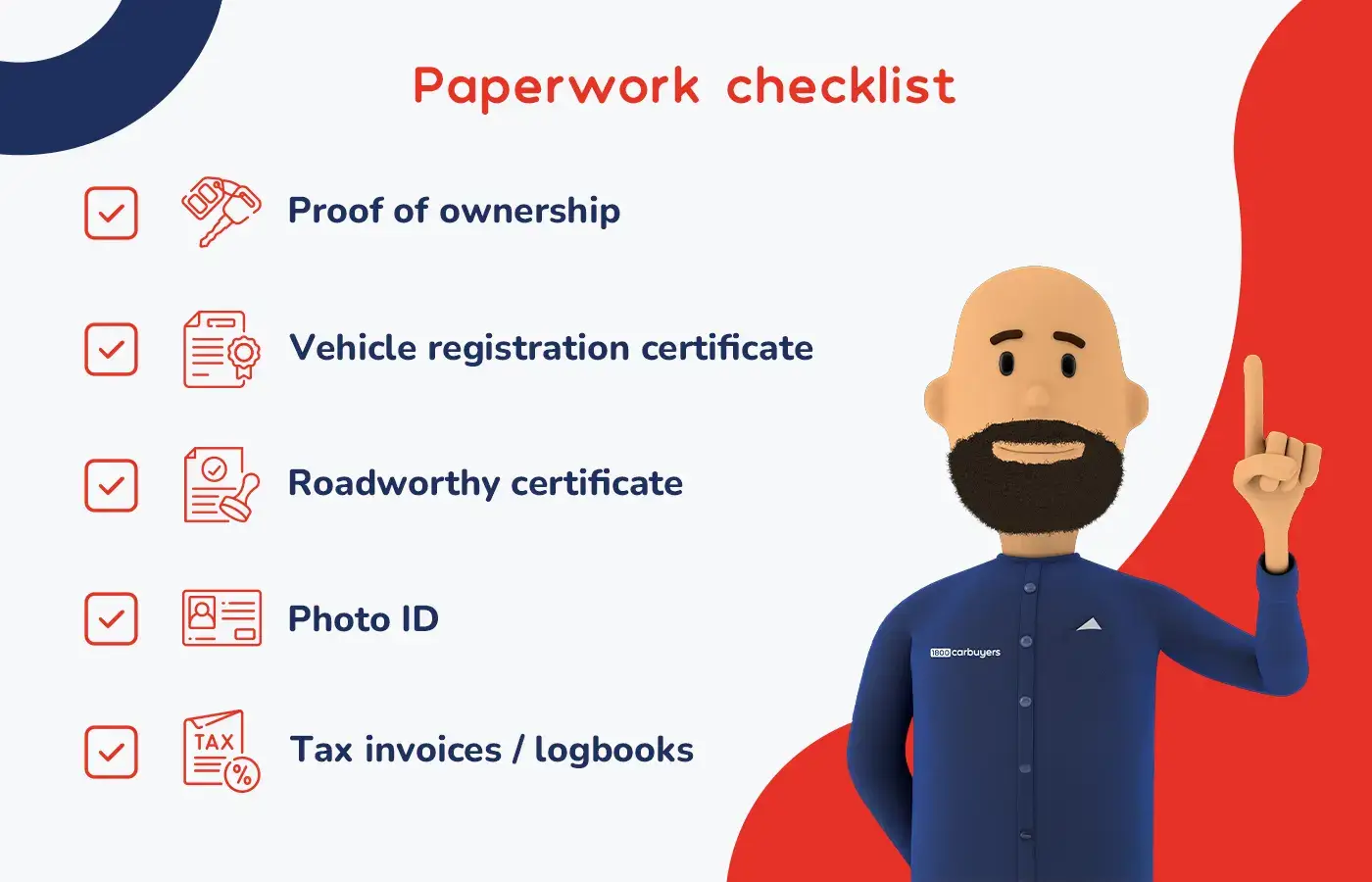
Essential paperwork includes:
- Proof of ownership: Business registration details or ABN linked to the vehicle.
- Vehicle registration certificate: Confirms the car is registered in the company’s name.
- Roadworthy certificate (RWC): Required in most states to complete the sale, unless exemptions apply.
- Photo identification: Usually a driver’s licence for the authorised company representative.
- Tax invoices or logbooks (if applicable): Helpful for record-keeping and GST or depreciation considerations.
Depending on your state or territory, extra forms may be necessary to finalise the sale. Always check with the local transport authority to ensure nothing is missed.
Having these documents prepared in advance speeds up the process, makes the transaction transparent, and provides both the buyer and seller with confidence that the sale is legitimate.
[/section]
[section id="do-you-pay-tax-on-selling-a-company-car" format="ul"]
Do you pay tax on selling a company car?
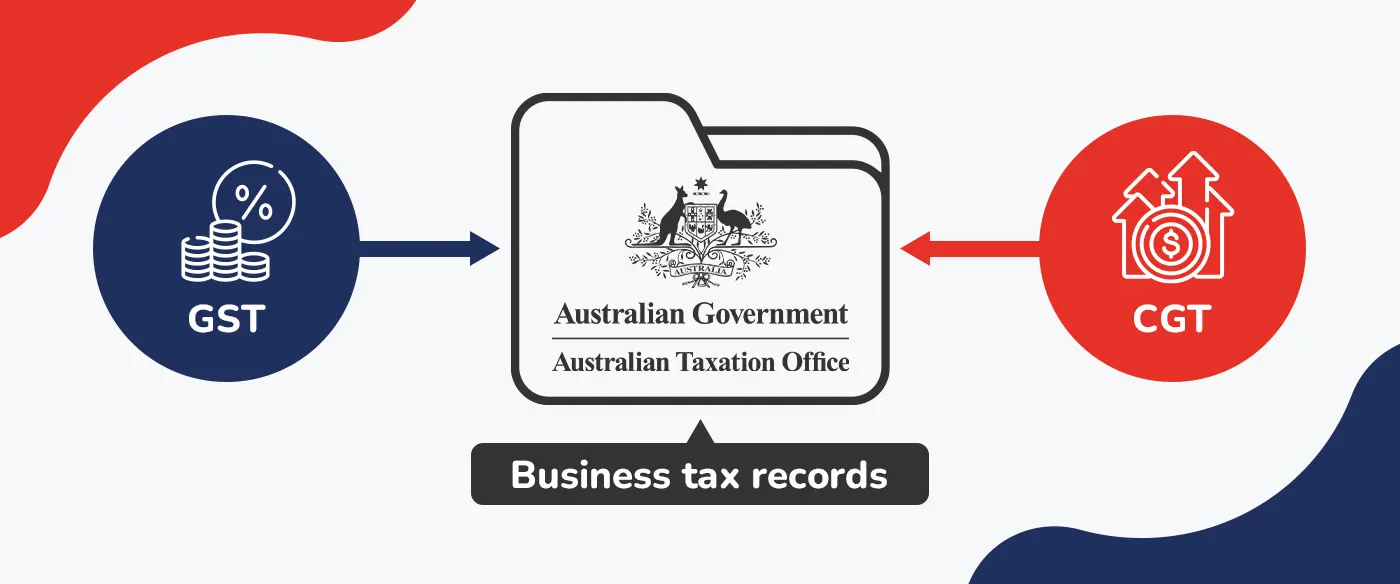
When a business sells a company car, the sale may trigger tax obligations. The main considerations are Capital Gains Tax (CGT) and Goods and Services Tax (GST), both overseen by the Australian Taxation Office (ATO).
- Capital Gains Tax (CGT): If the vehicle has been depreciated for business purposes, the proceeds from the sale may need to be declared as income. This means you could incur a taxable gain if the sale price is higher than the vehicle’s written-down value.
- Goods and Services Tax (GST): If your business is registered for GST and the car was used in business activities, GST may apply on the sale. This typically requires issuing a tax invoice and including the GST amount in your Business Activity Statement (BAS).
- Exemptions and adjustments: Sole traders or small businesses may sometimes be eligible for exemptions or simplified reporting, but this depends on your structure and turnover.
It’s important to keep accurate records, calculate the applicable tax correctly, and, where necessary, consult a professional accountant. By planning ahead, businesses can ensure compliance and avoid unexpected liabilities when selling a company vehicle.
[/section]
[section id="what-happens-if-the-car-is-under-finance-or-lease" format="ul"]
What happens if the car is under finance or lease?
Selling a company car becomes more complex if there is still finance or a lease attached to it. Before the vehicle can change hands, any outstanding financial obligations must be addressed.
- Finance agreements: If the car was purchased with a loan, it is likely recorded on the Personal Property Securities Register (PPSR). This means the lender has a legal interest in the vehicle until the loan is repaid. To sell the car, the business must request a payout figure and settle the remaining balance.
- Leased vehicles: For operating or finance leases, the business does not technically own the car until the lease term is complete. Most lease contracts include a residual value that must be paid before the vehicle can be sold or transferred.
- Risks of ignoring finance: Attempting to sell a car without clearing the finance can create legal and financial risks. Buyers who run a PPSR check will see that money is still owing, which may prevent the sale or expose the seller to disputes.
To avoid complications, always confirm the status of the vehicle with the lender or leasing company. Once financial obligations are cleared, the car can be sold like any other company asset, whether to a private buyer, dealership, or car-buying service.
[/section]
[section id="do-you-need-to-notify-the-ato-or-update-business-records" format="overview"]
Do you need to notify the ATO or update business records?
When a company car is sold, you don’t need to lodge a special form with the Australian Taxation Office (ATO), but the transaction must be included in your regular reporting. If your business is registered for GST, the sale should be recorded in your Business Activity Statement (BAS), and any applicable tax must be calculated and paid.
Beyond reporting to the ATO, it’s important to update your own business records. This includes logging the sale in your accounting system, noting it in logbooks, and adjusting your asset register to show the car has been sold. These steps ensure your organisation’s financial records remain accurate and reduce the risk of compliance issues if your accounts are reviewed.
Maintaining up-to-date records not only satisfies tax requirements but also helps business owners keep track of assets and plan future purchases or fleet changes more effectively.
[/section]
[section id="can-1800carbuyers-purchase-company-vehicles" format="cta"]
Can 1800CarBuyers purchase company vehicles?
Yes. 1800CarBuyers can purchase company vehicles directly, whether it’s a single business car or part of a larger fleet. The process is designed to be fast, transparent, and convenient, ideal for businesses looking to save time on private sales or avoid the complexity of auctions and dealerships.
By providing a few details about the vehicle online or over the phone, you can receive an instant offer that reflects the current market value of the vehicle. Once the price is confirmed, 1800CarBuyers arranges free pick-up anywhere in Australia and makes secure payment via Osko, often on the same day.
This service benefits organisations that need to sell their company cars quickly, whether due to fleet upgrades, business restructuring, or end-of-lease requirements. It’s a professional, hassle-free way to ensure your vehicles are sold at a fair price with all the paperwork handled for you.

[/section]
Table of contents

